A modern data center facility designed to deliver long-term jobs, stable tax revenue, and lasting community benefits with less day-to-day disruption than other permitted industrial uses.
This property is already zoned for industrial development. The question is not whether it will be developed, but what impact that development will have on the community.
Project Atlas is a proposed data infrastructure facility by Edged US, designed to deliver long-term economic value with lower daily impacts on traffic, noise, and water resources.
QUIET OPERATIONS
Noise levels less than 54 dB at property lines, as quiet as a conversation.
ZERO WATER
Zero water used for daily cooling operations with a closed-loop cooling system.
PAYS FOR 100% OF OUR OWN POWER
Project Atlas funds the infrastructure needed to serve the facility.
LARGEST TAXPAYER
Project Atlas will be the largest taxpayer in the county, contributing more than 2x the current top taxpayer.
MINIMAL TRAFFIC
Significantly less traffic than warehouses, logistics, or freight-heavy developments. No shipping operations.
JOBS FOR OUR COMMUNITY
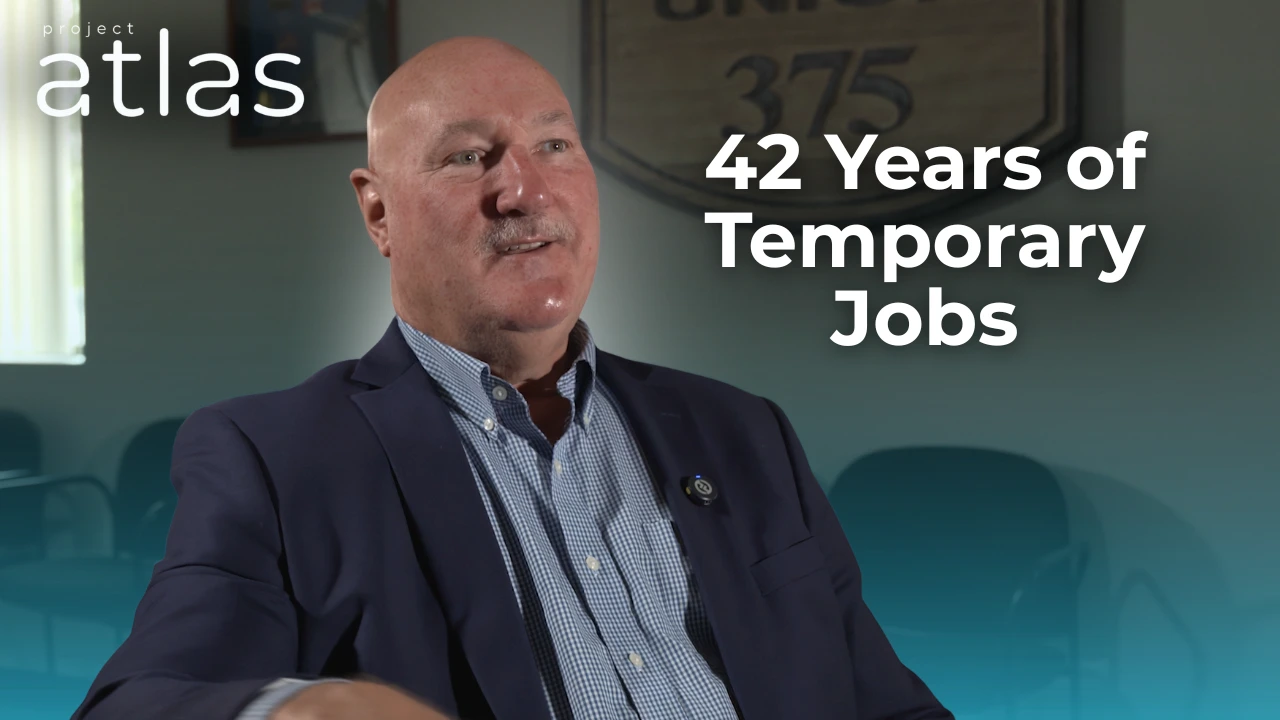
Creates jobs and career opportunities while supporting local workforce development.
NO LOCAL INCENTIVES
No tax abatements or incentives requested. Project Atlas pays its own way.
DEDICATING NEW PARK
Dedicating 160 acre park for permanent public enjoyment.

This land is already zoned for industrial use.
That means the real decision facing South Whitehall is not whether development happens, but what type of development creates less disruption and more long-term value.
Planned with the Township
Project Atlas has been shaped through coordination with township officials to improve compatibility and reduce impact. That includes traffic planning, buffering, infrastructure improvements, and the proposed Jordan Creek Greenway dedication.
Higher-Impact Industrial Uses
Many permitted industrial uses rely on constant truck traffic, frequent shipping activity, heavy logistics operations, and around-the-clock movement of goods. These patterns can create sustained pressure on local roads, noise levels, light pollution, and traffic affecting surrounding neighborhoods.
How Project Atlas Operates Differently
Project Atlas is not a freight hub. It is not a distribution center. It is not a manufacturing site. It is designed around controlled access, lower daily traffic, waterless closed-loop cooling, sound mitigation, and a contained and predictable operating footprint.
Independent analysis shows Project Atlas is expected to deliver significant, ongoing economic value to South Whitehall Township, Parkland School District, Lehigh County, and the broader regional economy.
This is not short-term activity. It is long-term financial stability tied to ongoing operations.
Permanent Jobs
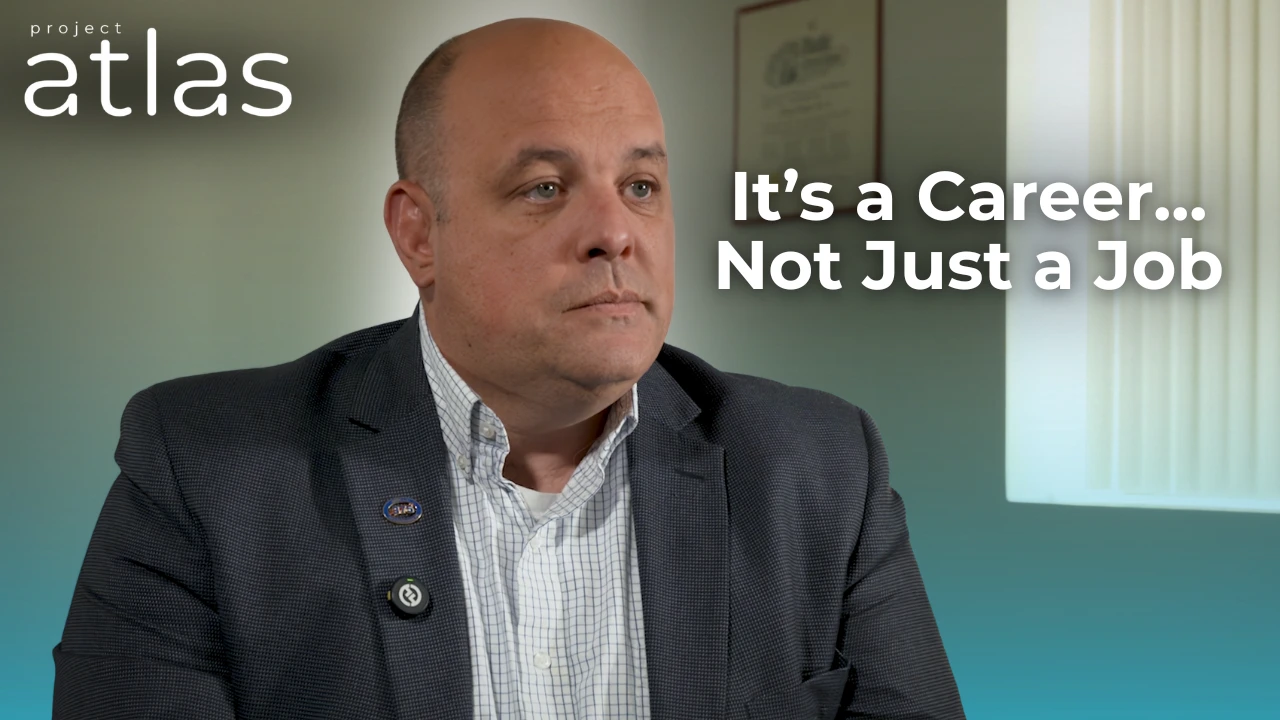
Project Atlas is expected to support approximately 250 permanent jobs, with average annual wages between $65,000 and $75,000.
Construction Jobs and Investment
During construction, the project is expected to generate $2.9 billion in economic activity within South Whitehall Township and support 3,390 jobs.
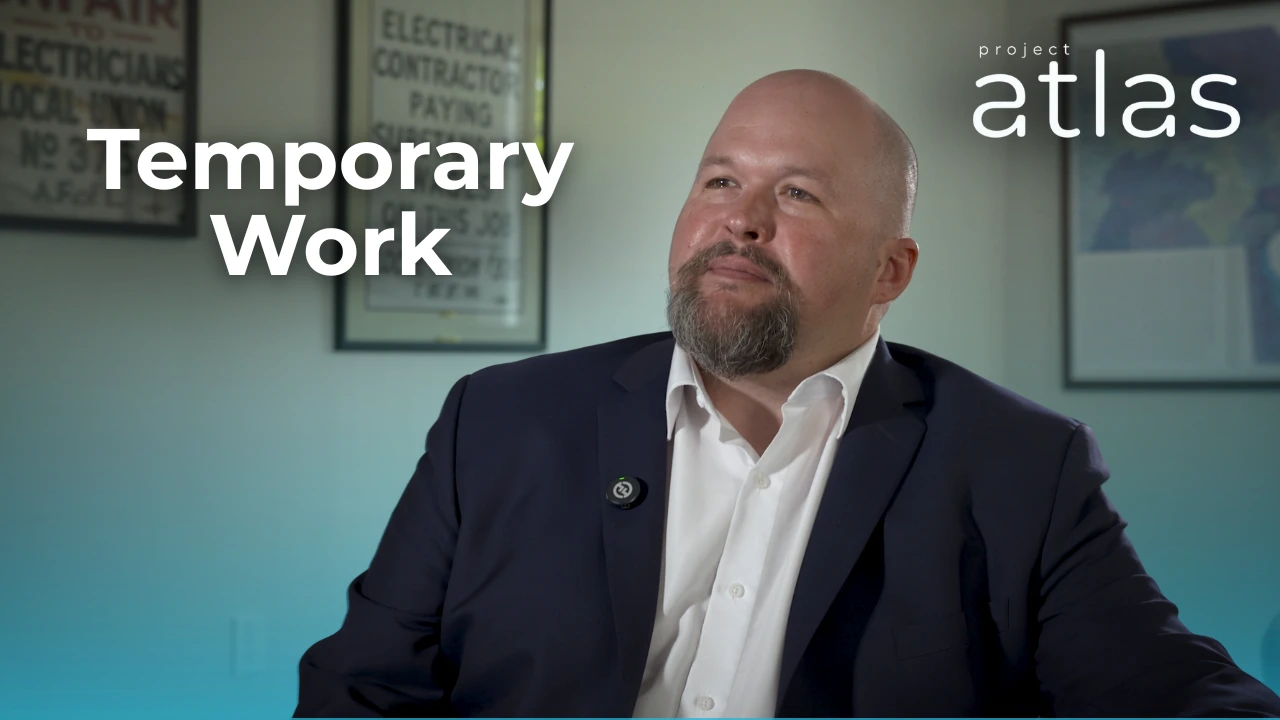
The multi-year buildout will create sustained demand for union labor, contractors, and skilled trades.
Revenue for Township and Schools
Once operational, Project Atlas is projected to generate:
Resident-Facing Value Statement
This level of investment does not just benefit the regional economy. It directly supports local services, school funding, infrastructure planning, and long-term financial stability for South Whitehall.
Every aspect of Project Atlas is engineered to reduce community impacts while supporting long-term economic growth and infrastructure reliability.
Protecting Customers and Strengthening the Grid
Project Atlas pays for 100% of our own power costs — all infrastructure and generation for power consumption. This includes millions of dollars invested in new energy infrastructure for dedicated power capacity, strengthening the grid by expanding supply, and helping protect customers from added demand pressures.
This approach:
Protecting Water Resources
Project Atlas is expected to save nearly 2.85 billion gallons of water every year through advanced waterless cooling technology — a closed-loop system that consumes zero water for daily cooling operations.
To put that into perspective, the annual water savings from Project Atlas are equivalent to:
At a time when communities across the country are increasingly concerned about water usage and long-term resource sustainability, Project Atlas demonstrates that digital infrastructure can grow responsibly — without placing additional strain on local water resources.
Our approach is designed to support both technological advancement and long-term community resilience through infrastructure built for efficiency, sustainability, and lower daily impact.
Delivering Community Value
The project supports hundreds of permanent good-paying jobs, thousands of union construction jobs, and significant recurring tax revenue for South Whitehall Township, Parkland School District, and Lehigh County. Its value is tied to long-term operation, not just initial development.
Operating with Accountability
Project Atlas is being developed with a focus on transparency, compliance, and measurable performance.
Residents and local officials will have access to clear, ongoing information about traffic, energy use, water impact, and community benefits.
Jordan Creek Greenway
Project Atlas includes a proposal to permanently dedicate 160 acres to the Jordan Creek Greenway.
This supports open space preservation, public access to natural land, and protection of the Jordan Creek corridor.
Supporting Local Priorities
Recurring tax revenue will help support township services, school funding, infrastructure improvements, and long-term planning priorities.
During construction, the project is also expected to support thousands of union jobs and create opportunities for regional contractors and skilled trades for multiple years.
Workforce and Education Opportunities
Project Atlas is designed to support workforce development, STEM learning opportunities, and future partnerships tied to the growing digital infrastructure economy.
These initiatives can help connect local workers, residents, and students to high-demand careers in technology, engineering, energy, and skilled trades.
Community Benefit Frame
The project is designed to deliver benefits that continue after construction ends: open space, recurring revenue, skilled jobs, technical career pathways, and long-term investment in South Whitehall.
Sound
Project Atlas is designed to operate at noise levels below 54 dB at the property line—which is as quiet as a conversation. Through thoughtful site design, advanced acoustic engineering, equipment screening, and strategic setbacks, the facility is intended to blend into the surrounding environment while minimizing impacts on nearby residents and businesses.
Traffic
Project Atlas is designed for a lower-traffic profile than freight-intensive industrial uses. Unlike warehouse, logistics, or distribution operations, this project will operate quietly with only occasional deliveries.
Water and Environment
The facility is designed to eliminate ongoing operational water use, protect local water resources, and include stormwater controls to safeguard surrounding water quality.
Design and Operations
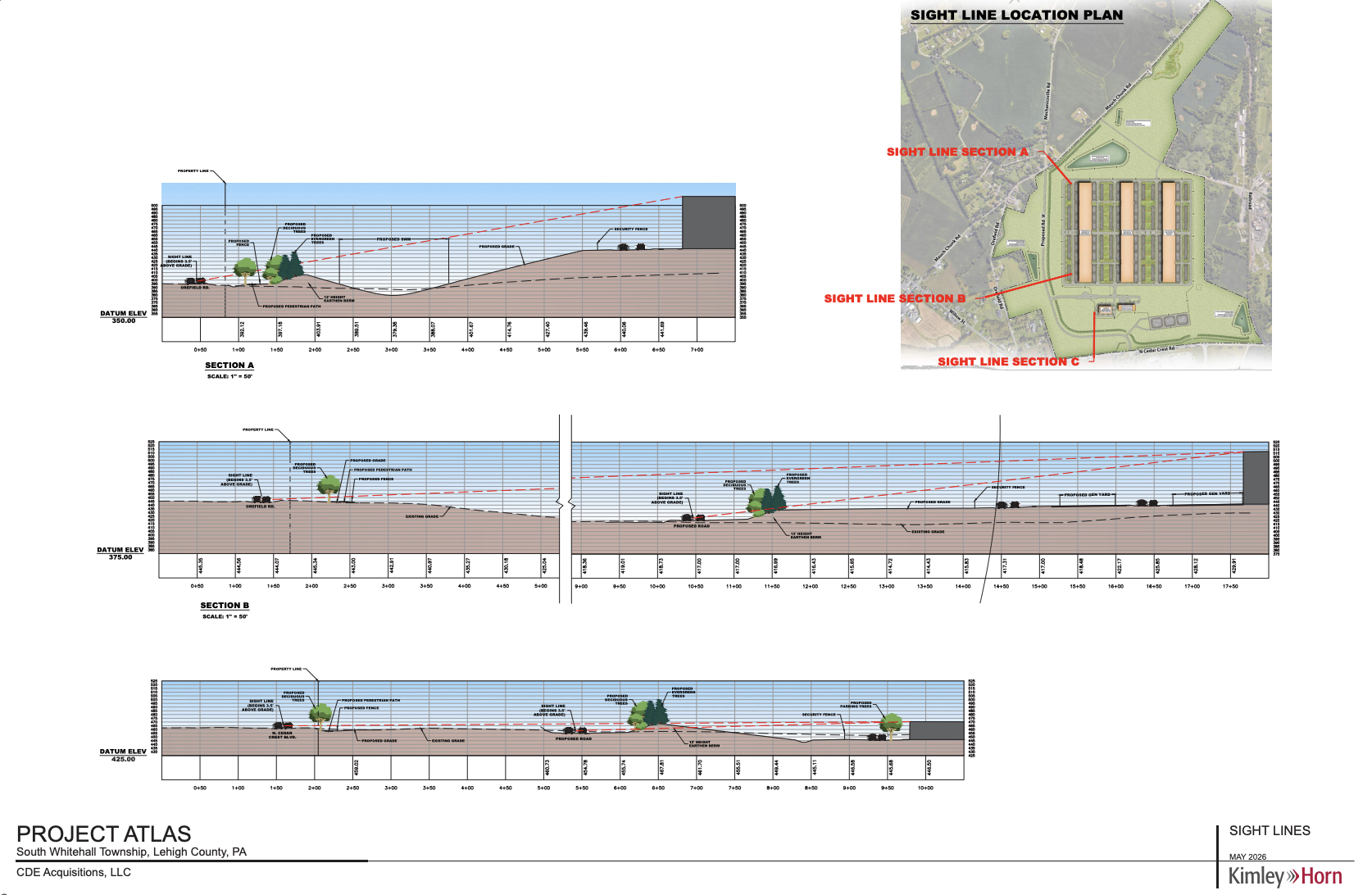
The project is designed as a visually compatible addition to its surroundings with thoughtful architecture, including site-engineered controlled access, setbacks, buffering, security, and contained operations.
This creates a more predictable and lower-impact presence for surrounding areas.
Transparency
This website is intended to provide clear, factual information about Project Atlas.
Residents should be able to evaluate the project based on verified information, not speculation.

As planning moves forward, the Project Atlas team is committed to sharing clear, factual updates with the community.
This page will provide timely information on:
Residents should be able to follow progress based on verified information and current facts.
Have a question or need more information?
Contact the Project Atlas team or sign up for updates.